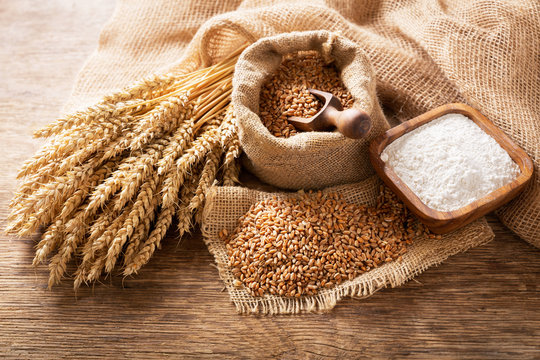
Wheat is one of the most widely grown and consumed cereal crops in the world. It serves as a
staple food for billions of people, providing essential nutrients and carbohydrates that support a
healthy diet. Wheat-based products such as bread, pasta, and chapatis form an integral part of daily
meals across different cultures. With the rising global population, wheat farming continues to play a
crucial role in ensuring food security and economic stability.
1. Durum Wheat: Used for making pasta and semolina.
2. Common Wheat: Also known as bread wheat, widely used for flour-based products.
3. Hard Red Wheat: Ideal for baking due to high gluten content.
4. Soft Wheat: Suitable for cakes, pastries, and confectionery.
5. White Wheat: Milder in flavor, used in soft baked goods.
6. Spelt & Einkorn Wheat: Ancient varieties with rich nutrition.
High Nutritional Value: Rich in fiber, proteins, and vitamins.
Wide Adaptability: Thrives in diverse climatic conditions.
Economic Importance: Major cash crop supporting national economies.
Sustainability: Modern varieties are resistant to drought and pests.
Crop Rotation Benefits: Helps maintain soil fertility.
Versatility: Used in various food products.
Soil Preparation: Requires well-drained loamy soil.
Seed Selection: High-yield and disease-resistant varieties are recommended.
Sowing Time: Planted during winter in most regions.
Irrigation: Requires precise water management.
Fertilization: Use of NPK fertilizers for better yield.
Weed & Pest Control: Regular monitoring and organic pesticides help.
Harvesting & Storage: Timely harvesting ensures grain quality.
Climate Change: Droughts and floods affect yield.
Soil Degradation: Continuous farming depletes soil nutrients.
Pest & Disease Infestation: Modern control techniques needed.
Water Management: Efficient irrigation systems are necessary.
High Production Costs: Rising input costs impact farmers
Precision Agriculture: AI, drones, and IoT for monitoring.
Blockchain: Ensures transparency in wheat trade.
Genetic Modification: Develops more resilient wheat varieties.
Climate Adaptation: Smart farming techniques to mitigate climate change.
Wheat is a crucial crop for food security and economic growth. With advancements in technology
and sustainable farming, wheat production can meet global food demands efficiently.
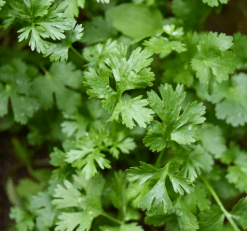
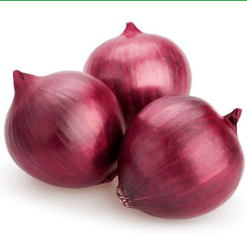
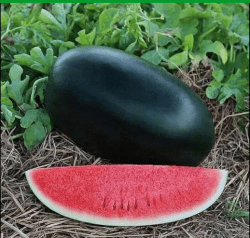
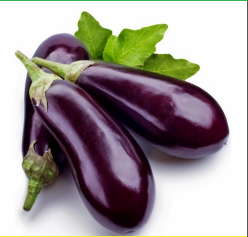
Centralagriseed is a leading agricultural seed company specializing in the research, production, and distribution of high-quality seeds. It focuses on innovative solutions to enhance crop yields, improve disease resistance, and support sustainable farming practices. Centralagriseed serves farmers globally, offering a wide range of seeds tailored to diverse agricultural needs.
