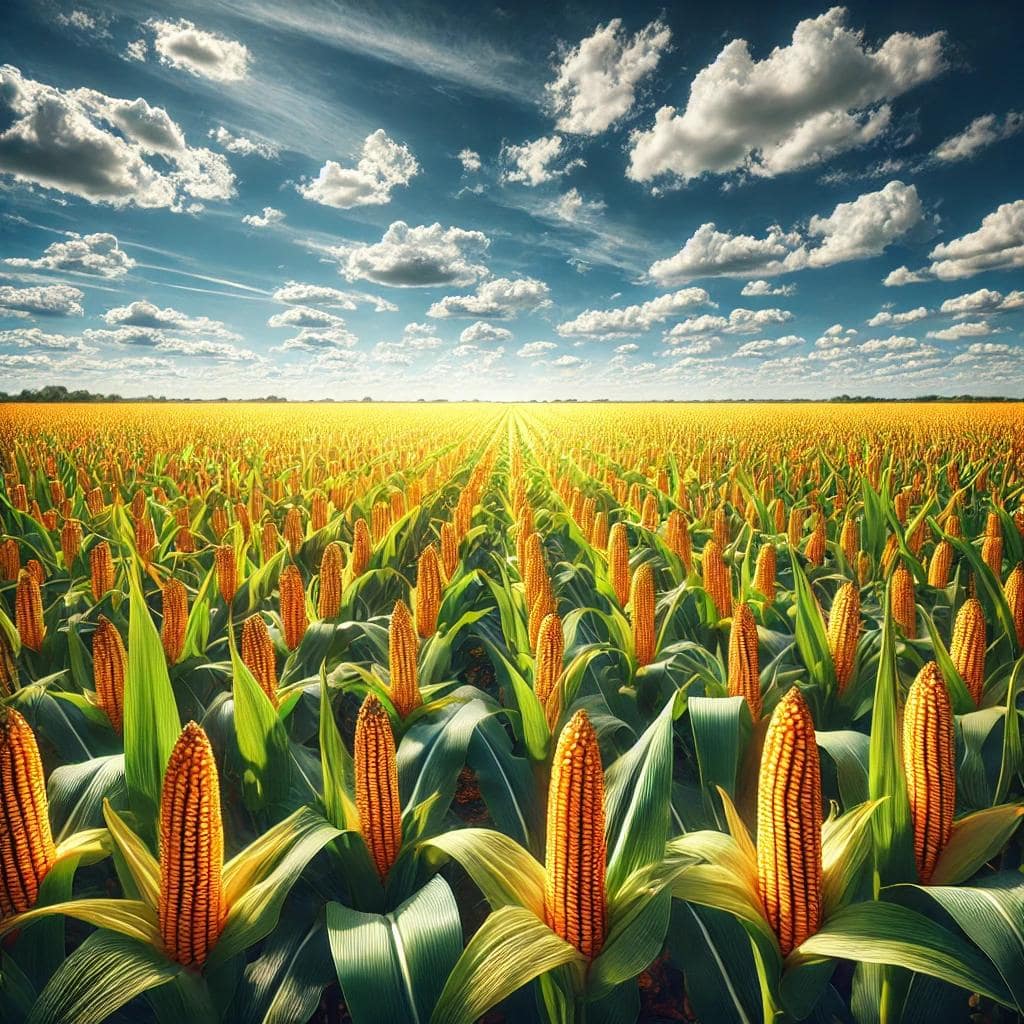
Maize, also known as corn (Zea mays), is one of the most important cereal crops globally. It is widely cultivated for its versatility, serving as a staple food, livestock feed, and an essential industrial raw material. With its adaptability to diverse climatic conditions and high productivity, maize plays a crucial role in food security and economic sustainability.
This blog explores the importance of maize, its history, nutritional value, cultivation practices, and industrial applications. Additionally, we will discuss its impact on global agriculture and economy, making it a must-read for farmers, agronomists, and food industry professionals.
Maize originated in Mesoamerica, where indigenous people domesticated it over 10,000 years ago. It played a fundamental role in the diet and culture of ancient civilizations such as the Aztecs and Mayans. The crop was later introduced to Europe, Africa, and Asia following European exploration, eventually becoming a globally significant agricultural commodity.
Today, maize is grown in over 160 countries, with the United States, China, Brazil, Argentina, and India being the top producers. Its adaptability and productivity make it a critical crop in both developed and developing nations.
Maize is an excellent source of carbohydrates, making it a key energy provider in human diets. It also contains essential nutrients, including:
Proteins – Supports muscle growth and overall body functions.
Fiber – Aids digestion and maintains gut health.
Vitamins – Rich in Vitamin A (especially yellow maize), B-complex vitamins, and Vitamin C.
Minerals – Contains magnesium, iron, phosphorus, and zinc.
Antioxidants – Lutein and zeaxanthin, found in maize, promote eye health and reduce the risk of age-related macular degeneration.
Maize is gluten-free, making it an excellent dietary option for individuals with gluten intolerance or celiac disease. It is also processed into various forms, such as cornmeal, flour, and starch, which are widely used in food preparation.
There are several varieties of maize, each serving different purposes:
Dent Corn (Field Corn) – Used mainly for livestock feed, ethanol production, and processed food ingredients.
Flint Corn – Known for its hard outer shell and used in traditional foods such as polenta.
Popcorn – A unique variety that expands when heated due to moisture trapped inside.
Sweet Corn – Consumed as a vegetable due to its high sugar content.
Waxy Corn – Contains a high level of amylopectin starch, making it useful in industrial applications.
Pod Corn – Primarily grown for decorative purposes rather than commercial production.
Each type has specific uses in agriculture, food processing, and industrial applications, making maize a truly diverse crop.
Maize thrives in warm climates with temperatures between 18°C to 30°C. It requires well-drained, fertile soil with a pH range of 5.5 to 7.5. Loamy and alluvial soils rich in organic matter are ideal for optimal maize growth.
Maize is planted through seeds, usually at a depth of 3-5 cm. The planting season depends on the region but typically occurs in spring or after the first monsoon rains. Proper spacing (20-30 cm apart) ensures good aeration and nutrient availability for healthy crop development.
Maize requires moderate water supply, especially during its critical growth stages: germination, flowering, and grain filling. Drip irrigation and sprinkler systems help optimize water usage. Fertilizers rich in nitrogen, phosphorus, and potassium are applied to boost crop yield.
Maize is susceptible to pests like armyworms, borers, and aphids. Common diseases include rust, blight, and leaf spot. Integrated pest management (IPM) and crop rotation techniques help reduce infestations and ensure sustainable production.
Maize is ready for harvest 90-120 days after planting, depending on the variety. The crop is harvested when kernels reach maturity and moisture content is around 20%. Proper drying and storage prevent mold formation and post-harvest losses.
Maize is an essential crop in global trade, contributing significantly to various industries:
Food Industry – Used in cereals, snacks, corn oil, starch, and sweeteners like high-fructose corn syrup.
Livestock Feed – A primary ingredient in animal feed, providing necessary carbohydrates and protein.
Ethanol Production – A crucial raw material for biofuel production, reducing dependence on fossil fuels.
Pharmaceuticals – Used in the production of antibiotics, vitamins, and binding agents for tablets.
Textile Industry – Cornstarch is used in fabric stiffening and textile processing.
Biodegradable Products – Corn-based plastics and packaging materials help reduce environmental pollution.
Maize is a staple food for millions worldwide, particularly in Africa, Latin America, and Asia. It plays a crucial role in addressing hunger and malnutrition due to its high caloric value and nutritional composition. Governments and research institutions continue to develop improved maize varieties with higher yield potential, drought resistance, and enhanced nutritional quality.
The future of maize production is influenced by technological advancements, climate change adaptation, and increasing global demand. Scientists are developing genetically modified (GM) maize varieties that are resistant to pests, diseases, and extreme weather conditions. Sustainable farming practices and precision agriculture will further enhance maize yields and profitability.
With the rise in biofuel usage and growing population needs, maize will continue to be a vital crop in global agriculture. Investments in research, infrastructure, and policy development will determine its sustainability and economic impact in the coming decades.
Maize, the golden crop, is an indispensable part of modern agriculture. Its diverse applications in food, feed, and industry make it one of the most valuable commodities worldwide. Farmers, agribusinesses, and policymakers must work together to enhance maize production while ensuring environmental sustainability.
As we look to the future, maize will remain a key player in food security, economic stability, and industrial innovation. Whether you are a farmer, food manufacturer, or agricultural researcher, understanding the importance of maize can help maximize its potential and contribute to a more sustainable world.

Centralagriseed is a leading agricultural seed company specializing in the research, production, and distribution of high-quality seeds. It focuses on innovative solutions to enhance crop yields, improve disease resistance, and support sustainable farming practices. Centralagriseed serves farmers globally, offering a wide range of seeds tailored to diverse agricultural needs.
